

In the wake of their historic electoral victory, Democrats in Congress are gearing up to investigate the many misdeeds of the Trump administration. Representative Robert Garcia (D-CA), in line to chair the House Oversight Committee, issued a two-word statement on election night: “Lawyer up.” Senator Ron Wyden (D-OR), who has been fighting to investigate ties between major financial institutions and Jeffrey Epstein and will head the Senate Finance Committee, Tweeted simply: “Subpoenas.”
Representative Hakeem Jeffries (D-NY), the likely future Speaker of the House, cautioned that “Americans don’t want us to get even” and that Democrats must focus primarily on issues such as affordability. But Senator Raphael Warnock (D-GA) argued Congress can “walk and chew gum” at the same time and that it is essential to investigate “the most corrupt administration in American history.”
There’s no question Democrats must tackle affordability, ending the war, health care, and other issues that propelled their victory. But polls made it clear that voters are also deeply concerned about the unprecedented levels of corruption in the past two years. They expect not only solutions but also accountability. Now more than ever, ensuring that accountability is going to depend on Congress.
But what does accountability look like in the twilight of the Trump era, and what’s the best way for Congress to proceed? That’s the subject of my latest article in The Atlantic that posted today. Here’s a free link for you:
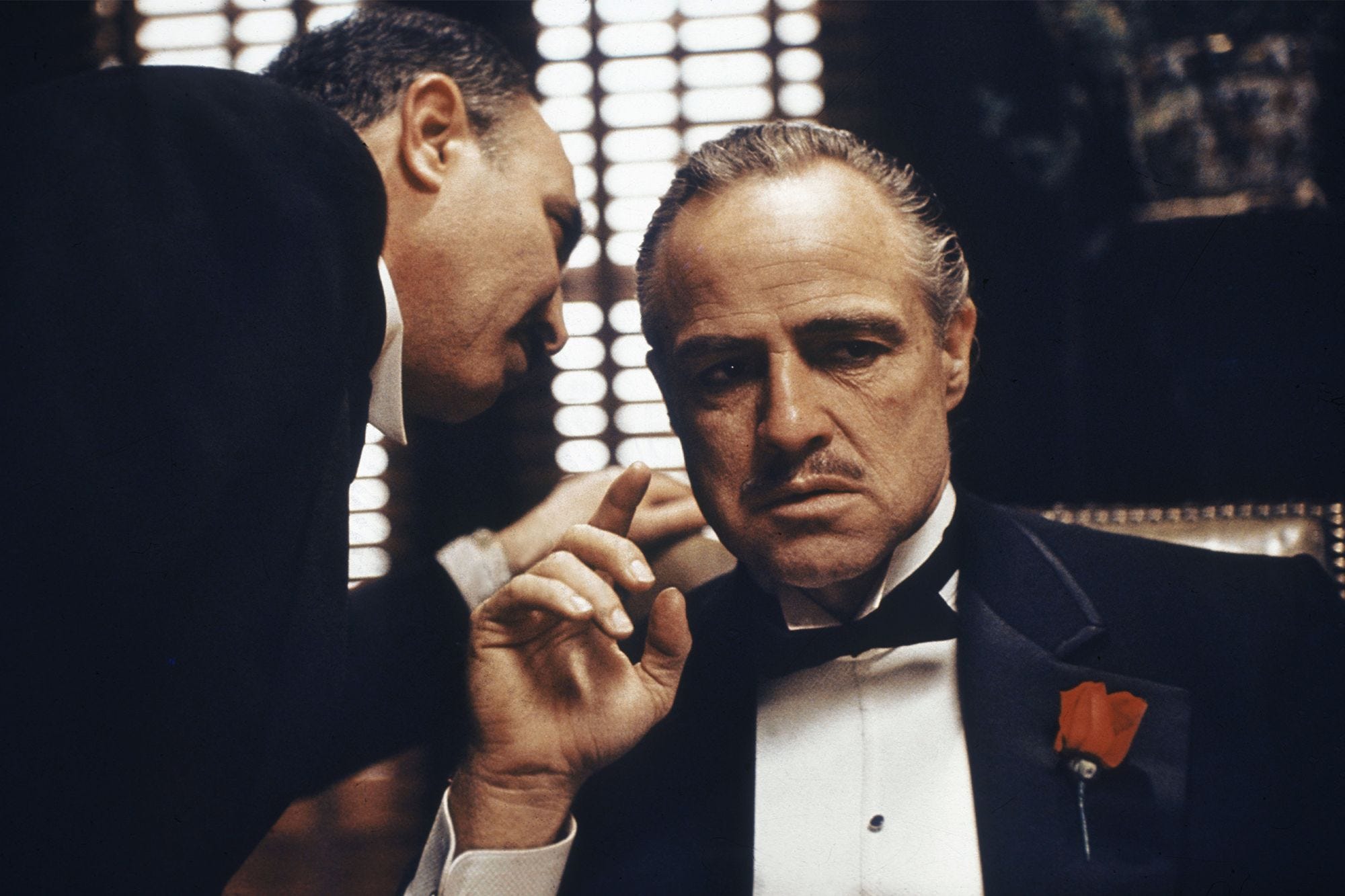
Investigate Trump Like a Mob Boss - The Atlantic
A reminder that I didn't see mentioned: presidential pardons don't immunize against state charges.